
Cherokee County Arrest Log Sources
The Cherokee County Sheriff's Office posts no weekly blotter, no 72-hour list, and no seven-day arrest roundup. What it does publish is the sheriff inmate search, a roster of named persons currently listed. Older booking dates can show up there. The sheriff promises no archive depth. There is no date browsing tool. A multi-day arrest review therefore works as a hierarchy, moving from the most official source outward to the least. Start with the roster. Its county-jail booking data is the official baseline. City agencies sometimes post selective releases. The Cherokee County Clerk tracks case progress, and a written request to the holding agency can surface the underlying report. Dated private pages and news stories come last, since a booking photo on a third-party site never makes a record official.
Read Cherokee Arrests by Date
With no county blotter to page through, a date range gets built from official records. Keep two questions apart. Custody now is one thing. A dated incident report or jail booking record answers what happened earlier, and only those paper trails reach back reliably.
- Search the official sheriff roster by name and record the booking date and inmate ID.
- Identify the arresting-agency code, then check that agency's releases or records channel.
- Search the Cherokee County Clerk docket by party name or case number for later court activity.
- Request the existing incident or booking record with a defined person and date range.
- Use dated news or private archives only as leads, verifying each claim at the source.
Fresh arrests are a different job. Use the Cherokee County 24 Hour Arrests page for same-day checks. This date-range method covers several dates, delayed releases, and entries no longer easy to find on the current roster.
Cherokee Arrest Log Field Limits
The official roster carries narrow fields. It is data, not a narrative blotter entry. Private archives add demographics, timestamps, and images, but those extra fields belong to the site, not the sheriff, and each official field has its own limit.
| Field | Cherokee County finding |
|---|---|
| Inmate name | Shown in the roster; compare it with the court party name. |
| Inmate ID | A jail identifier, not a court case number. |
| Booking date | Shown without a guaranteed posting time or refresh clock. |
| Arrest agency | A short code, without the incident narrative. |
| Charges and bond | Booked charges and release terms that can change. |
| Photo | Not displayed in the inspected public roster. |
| Disposition | Not a roster field; use the Clerk docket or file. |
Booking charges can change. Prosecutors may reduce, dismiss, or replace them with a different formal charge. Bond is a release condition. It guarantees a court appearance rather than acting as a fine, and these limits hold even when a private archive labels itself a log.
Weekend Cherokee Arrest Posting
The sheriff states no weekend cadence. Nobody can promise Friday bookings by Saturday. Holiday backlogs have no set clearing day either. City police releases run on a public-information schedule and may appear before or after a roster update, while news stories follow their own editorial clock. Write down the dates each source covers. Note when you checked it. Search recent names twice. Questions about an event rather than custody go to the arresting agency as an incident-report request. The Cherokee County recent-arrests overview sorts out which source handles roster, booking, court docket, and notification roles. Note: Never dress up an undocumented weekend pattern as a firm claim about arrest volume, jail intake, or reporting speed.
Cherokee Booking Archives and Retention
The web roster has no published retention period. Older booking dates in results prove only that some entries linger. They say nothing about completeness or current custody. Website visibility and government record retention are two different things. The Georgia Archives local schedule keeps jail booking records ten years after release and jail registers ten years after the last entry. That schedule governs agency record management. It promises no decade of public web access. For an older Cherokee County booking, ask whether the sheriff still holds it, transferred it, or destroyed it under an applicable schedule. A good request names the person, booking ID if known, arresting agency, record category, and a narrow date span. The Cherokee County NextRequest portal is the written route. Court dispositions and certified copies sit with the Clerk. Historical newspapers add color. They are neither a jail register nor proof of custody. Note: Disappearance from the current web roster does not mean the agency or court destroyed the underlying record.
Cherokee Blotter Source Hierarchy
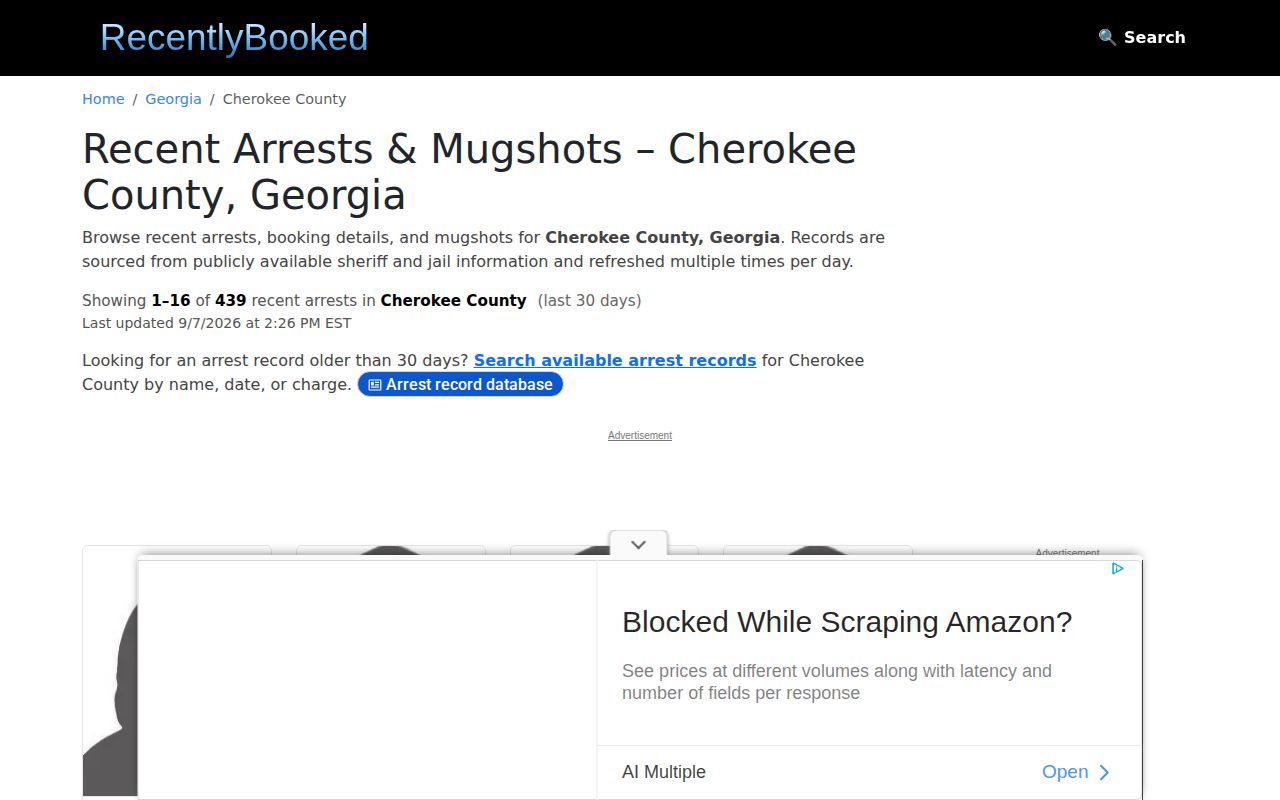
Woodstock Police maintains an official press-release page, but it covers chosen incidents rather than every arrest countywide. Canton police news is selective too. Holly Springs publishes no daily arrest log. City sources can explain a notable event or reveal where a booking landed. None of them replaces the sheriff roster. The RecentlyBooked Cherokee County page offers a private last-30-days discovery layer. Its timing tells you nothing about the sheriff's cadence.
One more private source exists. The Georgia Crime Magazine Cherokee County page is dated but unofficial. Check every name, date, photo, charge, or status there against the sheriff, the arresting agency, and the court record.
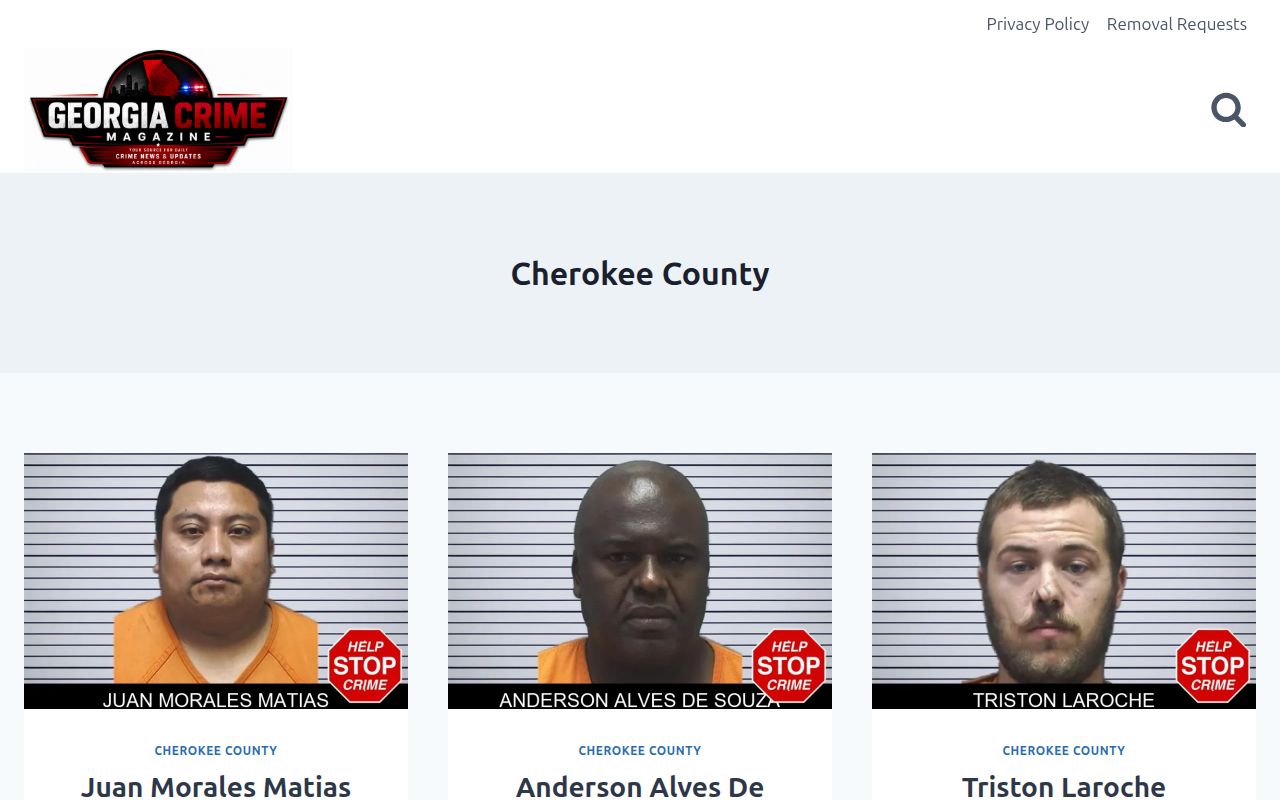
The archive works as a hint, nothing more. It can suggest a booking date worth checking. But it settles nothing about custody or guilt. Private sites play a bigger role in Cherokee County arrest searches than many people expect. Busted Newspaper and Mugshots.com both keep their own Cherokee County sections. Those pages may still show photos or arrest entries after a government display changes. They help with discovery. They are not custodians, and no private page proves that someone is still in jail. Arrests.org offers a purported local page whose official standing is unclear. Mugshots.zone has no established Georgia Cherokee route. Skip the weak paths rather than leaning on them to fill a date gap.
Conflicts happen. When two sources disagree, trust whichever office owns the record. The sheriff controls its jail data. A city police department controls its own incident reports. The Clerk of Court keeps the case file. Check the official record first. Only then should you ask a private publisher to fix its copy, since a search snippet or cached image can lag behind the live source.
News Is Selective, Not a Log
Regional news outlets cover Cherokee County arrests one story at a time. An arrest makes the paper only when something about it is newsworthy. So most routine bookings never appear. The images that run alongside a story may be news photos or agency handouts rather than booking photos. Timing slips too, since publication can come days after the arrest itself. Keep the article date and the arrest date separate. An Atlanta News First Cherokee arrest report shows this event-driven pattern in action.
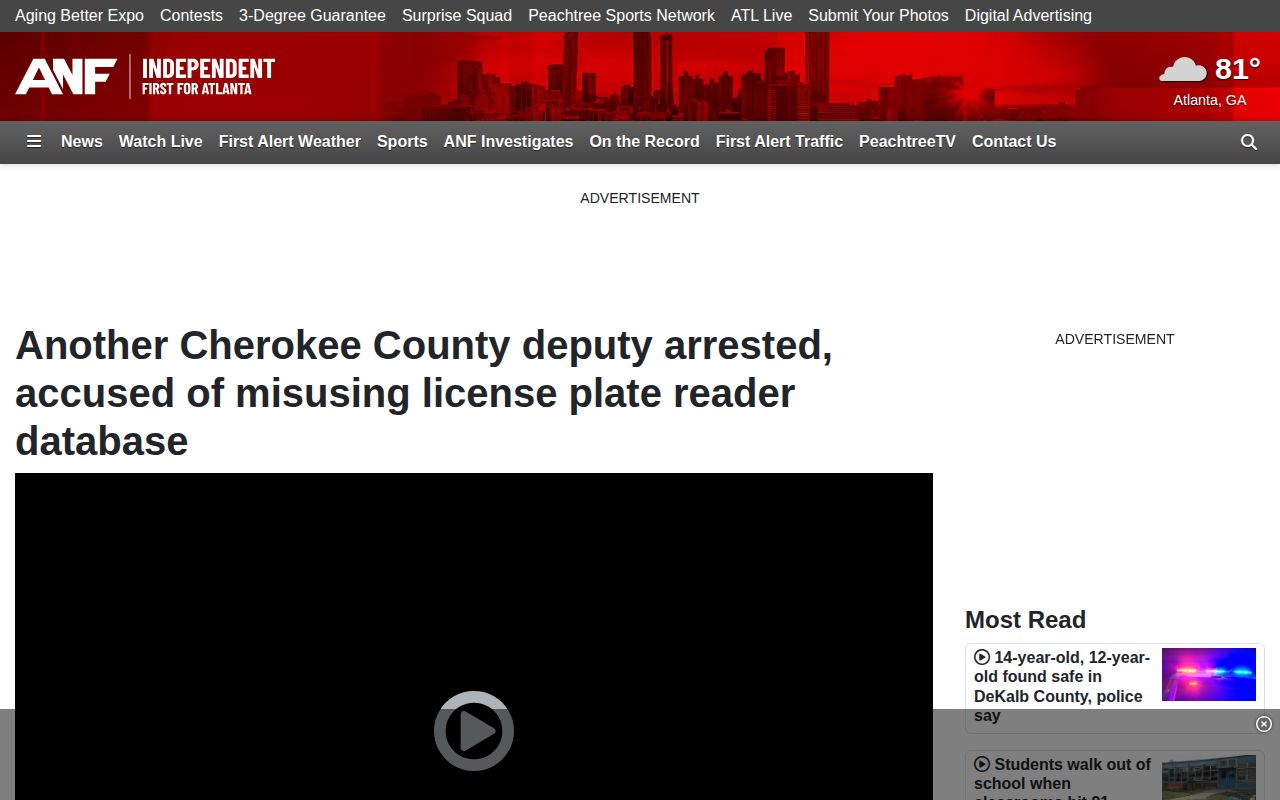
The story adds useful background around the deputy case.
Cherokee Arrest Records After Release
Timing shapes what any single source can tell you. A person booked an hour ago may not appear anywhere yet. Someone held in the county jail should show up on the sheriff roster. Once released, that same person drops off the current display. The agency booking record still exists, though. A sentenced state prisoner belongs in the Georgia Department of Corrections search instead. Federal custody runs through federal locators. Match the source to the custody stage and you avoid false conclusions.
- Roster
- A current public display as checked, not an archive promise.
- Booking record
- The agency's intake record, requested by person and date.
- Disposition
- The court's final or current recorded outcome.
The multi-day arrest log question outlasts any single roster check. Once you need bookings from last week or last month, a records request serves you better. Skip refreshing a current list. The Clerk's docket covers the deeper history.
Removal from a website is not destruction of the record. Georgia Archives schedules county jail booking records for retention ten years after release. Jail registers are kept ten years after the final entry. Those rules bind the agency, not the sheriff's public display. When an older entry disappears from view, ask the records custodian which series governs it.
Search Dated Public Records
Use a full name and date range after checking the official Cherokee County sources.
Sponsored Results